88/25 sturt st,
townsville city qld 4810
Certified Water Damage, Flood Cleanup & Mould Remediation Specialists in Townsville. Insurance-Approved, IICRC-Trained Technicians Ready to Respond Within 60 Minutes.
A failed washing machine hose in a Kirwan family home. A roof leak from a monsoonal downpour in a Mount Louisa property. A toilet backflow in a West End Queenslander. Water damage in Townsville is a constant threat, driven by a climate that can shift from scorching sun to a declared disaster zone in hours.
We are Water Damage Townsville, a locally owned and operated team of IICRC-certified restoration technicians. We live here. We experienced the 2019 floods not as a news story, but as an event that affected our own neighbours in Idalia, Rosslea, and Hermit Park. When you call us, you’re not reaching a call centre in another state. You are speaking directly to a technician who understands the urgency of extracting water before the afternoon humidity turns a simple leak into a complex mould problem.
Our response is governed by the Australian AS/NZS-IICRC S500 Standard for Professional Water Damage Restoration, but our methods are sharpened by local reality.
Restoring water damage in North Queensland is a science dictated by local conditions. A generic approach that works in a southern city will fail here. The difference between saving a home and condemning it lies in understanding Townsville’s unique architecture and environment.
We’ve documented the aftermath of cyclones like Yasi, understanding how wind-driven rain penetrates window seals and forces its way into wall cavities of both modern block homes and older high-set timber houses. Our most critical experience was forged during the 2019 monsoonal trough event. We were on the ground, managing the consequences of the Ross River Dam spillway gates opening. We dealt with the specific, grossly contaminated Category 3 floodwater that inundated properties in Railway Estate and Oonoonba, carrying silt and a dangerous bacterial load.
This knowledge isn’t academic, it’s practical. It means we know the bacterial risk of melioidosis from disturbed soil and floodwater is real and requires specific post-remediation testing. It means we understand the unique challenge of drying out the sub-floor of a Queenslander in Hermit Park versus drying a concrete slab in a new Annandale estate. We provide insurance-compliant documentation, including thermal imaging, moisture mapping, and detailed drying logs that stand up to scrutiny because they are built on verifiable local data.
Every service is executed under the strict protocols of the IICRC S500 standard, the scientific benchmark for professional water damage restoration in Australia.
The IICRC S500 classifies water by its contamination level. Category 1 is “Clean Water” from a burst pipe. Category 2 is “Grey Water” from a dishwasher. Category 3 is “Black Water,” which is grossly contaminated. In Townsville, river floodwater from the Bohle or Ross Rivers is always treated as Category 3 from the outset, due to the high probability of agricultural runoff, sewage overflows, and soil-borne bacteria like Burkholderia pseudomallei, the cause of melioidosis.
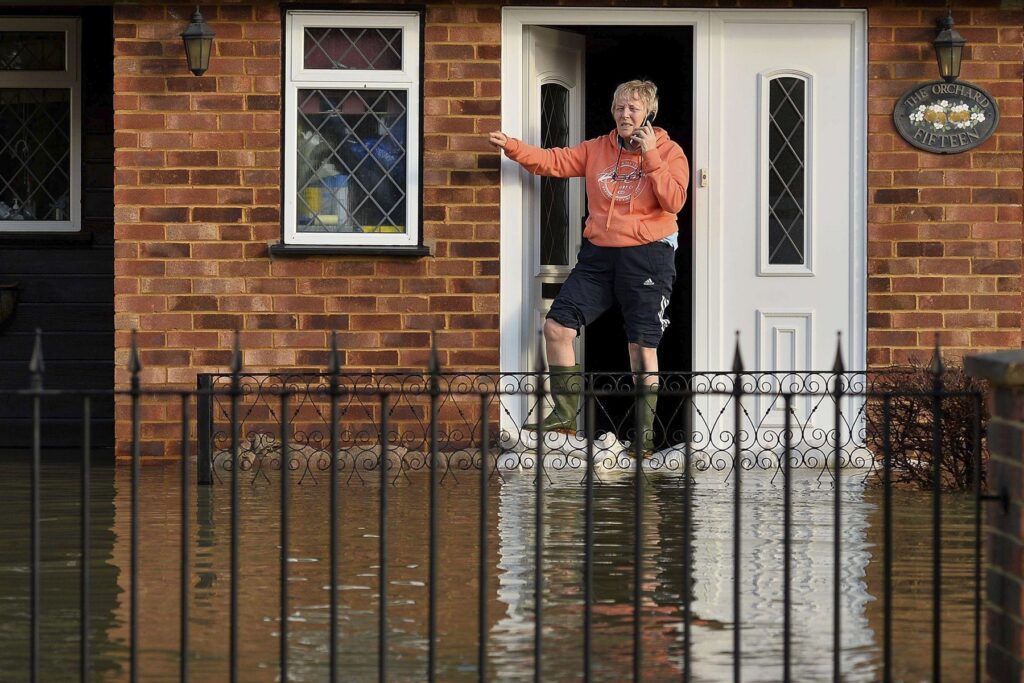
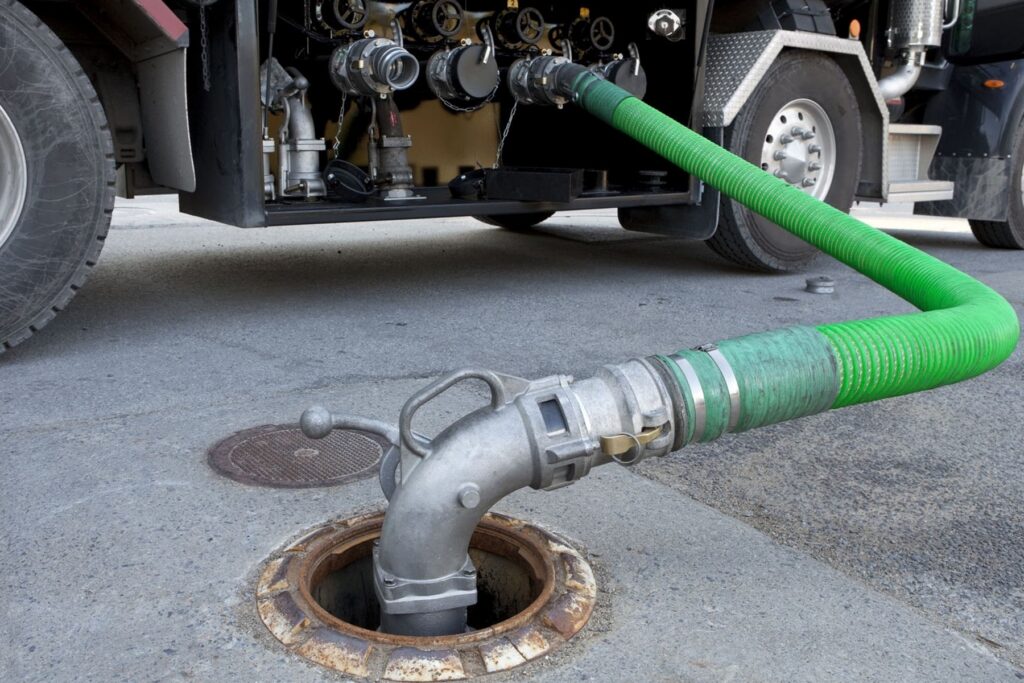
Following the 2019 event, which saw the Ross River Dam reach over 248% capacity, our flood restoration protocol became deeply specialized. The priority is aggressive, rapid extraction of bulk water, followed by immediate application of hospital-grade antimicrobial treatments. We establish a drying environment engineered to combat Townsville’s ambient humidity, preventing the secondary damage that is almost guaranteed in our climate.
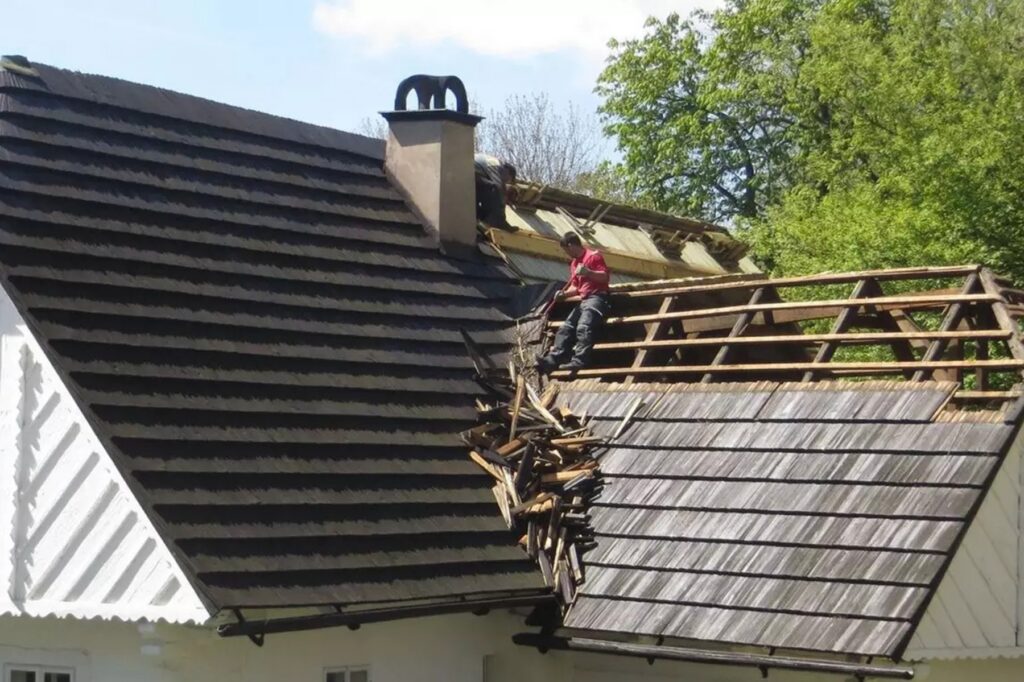
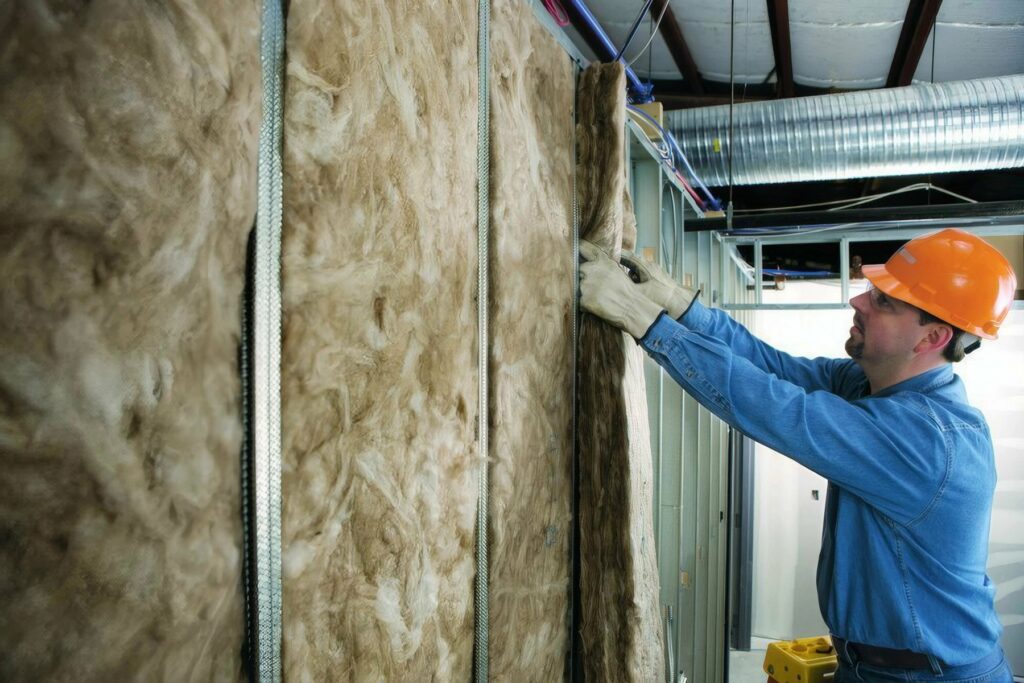
After events like Cyclone Yasi, we saw how structures fail. Our emergency service addresses wind-driven rain, roof damage, and water that has been forced into wall frames and ceiling spaces. The goal is immediate mitigation to stop the saturation of insulation and structural timber, which can lose integrity if left wet.
A sewage backflow or floodwater intrusion is a declared biohazard emergency. Our certified technicians follow strict OSHA and IICRC S500 guidelines, using appropriate PPE to safely remove contaminated materials. The process includes not just cleaning but complete disinfection and sanitization to protect your family or staff from severe health risks, including melioidosis, which has been fatal in Townsville.
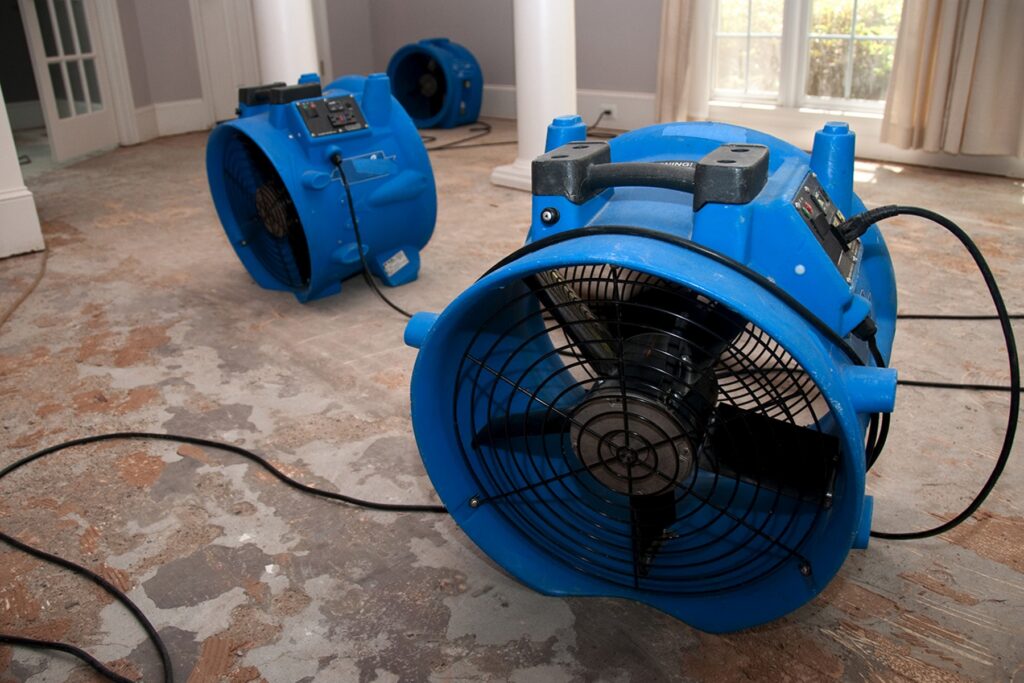
Our lead technicians are ASD certified, the IICRC’s advanced designation for drying the building itself. We use specialized equipment like Low-Grain Refrigerant (LGR) dehumidifiers and targeted heat-drying systems, creating precise atmospheric conditions to draw bound moisture from concrete, timber framing, and gyprock. This is not just “drying,” it is the scientific reversal of the water absorption process.
We have developed specific protocols for Townsville’s building stock. For high-set Queenslanders, this involves creating controlled airflow in the sub-floor space to dry bearers, joists, and floorboards from beneath. For modern rendered block homes in suburbs like Burdell or Douglas, we focus on drawing moisture from within the porous blocks and concrete slabs, which can hold water for months if not treated professionally.
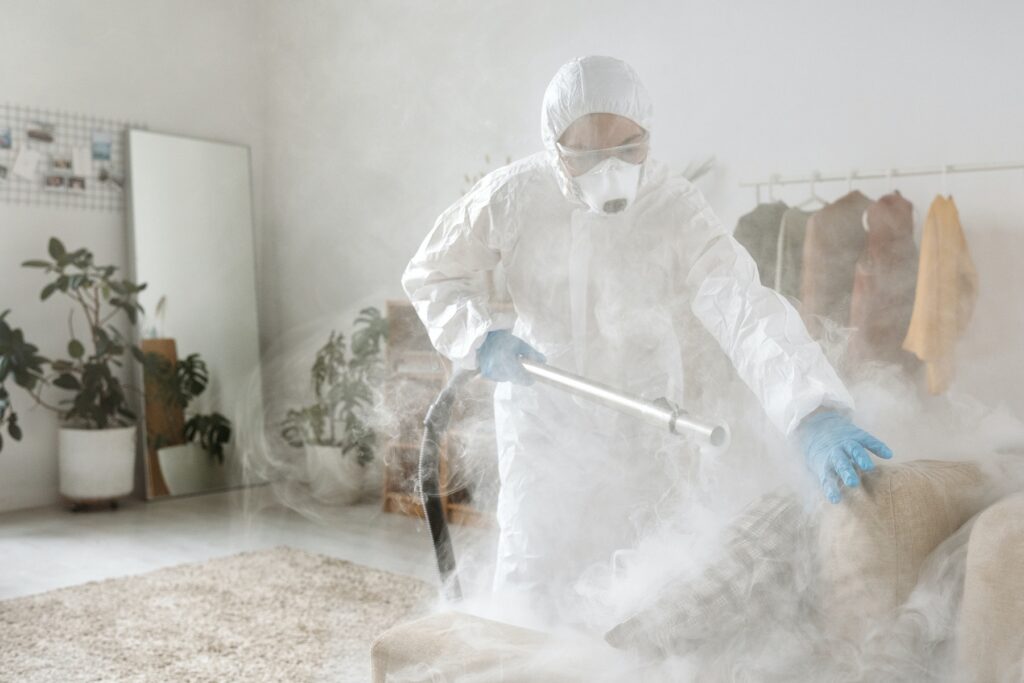
In Townsville’s humidity, moisture-related odours can become permanently embedded in materials. We don’t use masking agents. Our process uses technologies like thermal fogging and hydroxyl generation to chemically neutralize the odour-causing bacteria and microbial volatile organic compounds (MVOCs) at a molecular level.
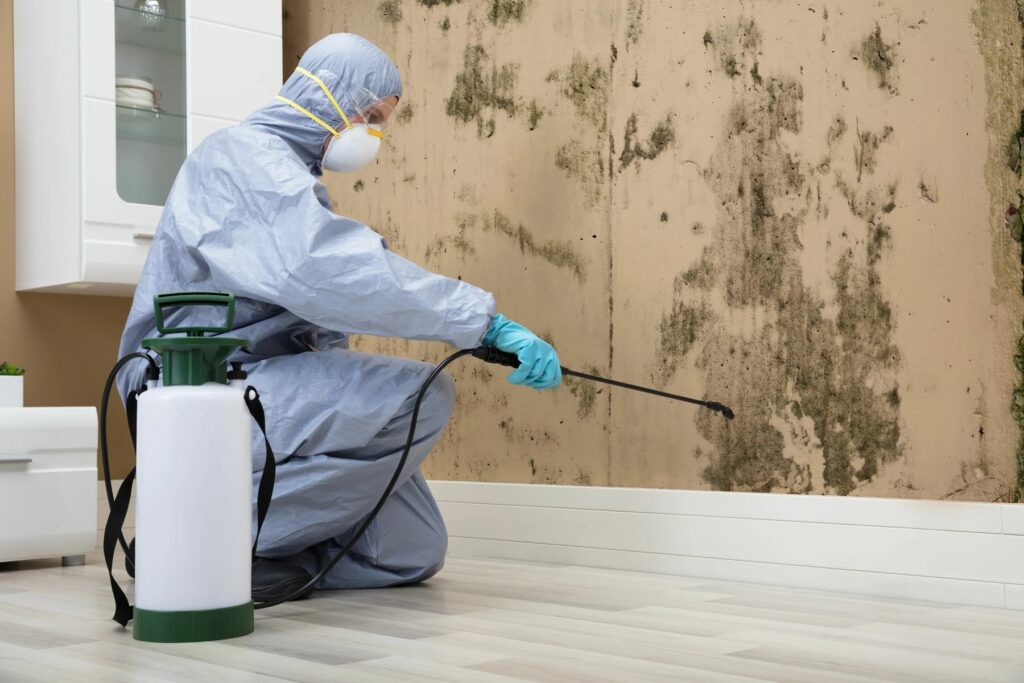
In our climate, mould growth is not a risk, it’s a certainty after 48 hours of saturation. Our remediation process, adhering to the IICRC S520 standard, is methodical: establish containment, set up HEPA-filtered air scrubbers to capture airborne spores, physically remove the mould colonies, and treat the source. The final step is always to verify that the underlying moisture problem has been solved.
We’ve helped hundreds of Townsville families and businesses recover from water damage events, large and small.
We have teams ready to respond throughout the Townsville region, including:
Our commitment is to verifiable expertise. Every technician on our team holds an IICRC Water Damage Restoration Technician (WRT) certification, with lead restorers holding advanced ASD credentials. We don’t just talk about “best practice.” We prove our work using calibrated Tramex moisture meters and FLIR thermal cameras to confirm that your property’s structural materials have been returned to a dry standard, providing a verifiable safeguard against future mould and rot.
All our technicians are IICRC-certified and maintain their credentials through ongoing training. This ensures we apply the most current science in structural drying, contamination control, and mould remediation as defined by the ANSI/IICRC S500 and S520 standards. This isn’t just our company policy, it is a commitment to the health of your property and your family.


We offer a 24/7 emergency service across Townsville. Our goal is to have a certified technician on your doorstep within 60-90 minutes to start the mitigation process.
Prioritize safety. If it is safe to do so, turn off the main water valve and cut the power to the affected areas. Do not use appliances on wet floors. Call us immediately at 07 4774 3607.
The drying timeline is typically 3 to 5 days but can be longer. It depends on the extent of the damage, the materials involved (e.g., concrete vs. timber), and the ambient humidity during the drying period, which is a major factor in Townsville. We only remove our drying equipment after taking verifiable moisture readings that prove the job is complete.
In North Queensland’s climate, it’s a very high risk. Mould spores are always in the air and can begin to grow on a wet surface in 24-48 hours. Our entire rapid-response process is designed specifically to dry the structure before mould amplification can occur.
Melioidosis is a serious bacterial infection caused by contact with contaminated soil and water, particularly after floods. Floodwaters in Townsville are considered a high-risk source. Our Category 3 remediation protocols, including full PPE and stringent decontamination, are designed to manage this specific, localized threat.
The cost is directly tied to the scope of work: the category of water, the class of destruction (how much water), and the equipment needed. We provide a transparent, detailed quote after an on-site inspection and can work directly with your insurer, providing the comprehensive documentation they require.
A Local Team is Ready to Respond.
When your home is on the line, you need a team that understands the unique challenges of living in Townsville. Call us now for immediate dispatch.